My trip into the Upper Peninsula of Michigan took me to a rather special place in the Midwest- coastal sand dunes.
Coastal sand dunes are Great Lake specialties- remnants of the time when glaciers covered the land. You can imagine glaciers as giant snow plows mixed with trench diggers; as they stretched down across early North America, earthen material was moved from one spot into another, sand being some of that material. The Great Lakes are a result from the mile-thick Wisconsinan Glaciers melted and began to fill the basins approx. 20,000 years ago (Wisconsin Sea Grant, 2021). As the Great Lakes formed, larger sized sand is deposited from the forming lakes, blown inland, and begins to pile up. Geological structures and plant roots help to hold the dunes together, but wind causes the dunes to be ever-changing.
The Grand Sable dunes are a part of the Pictured-Rocks National Lakeshore, just west of Grand Marais, MI. To reach the Lakeshore, you hike down a series of boardwalk steps, taking you past Sable Creek and their respective waterfalls. The falls inject moisture into the air and sandy soil, providing an oasis prior to the more barren dunes.

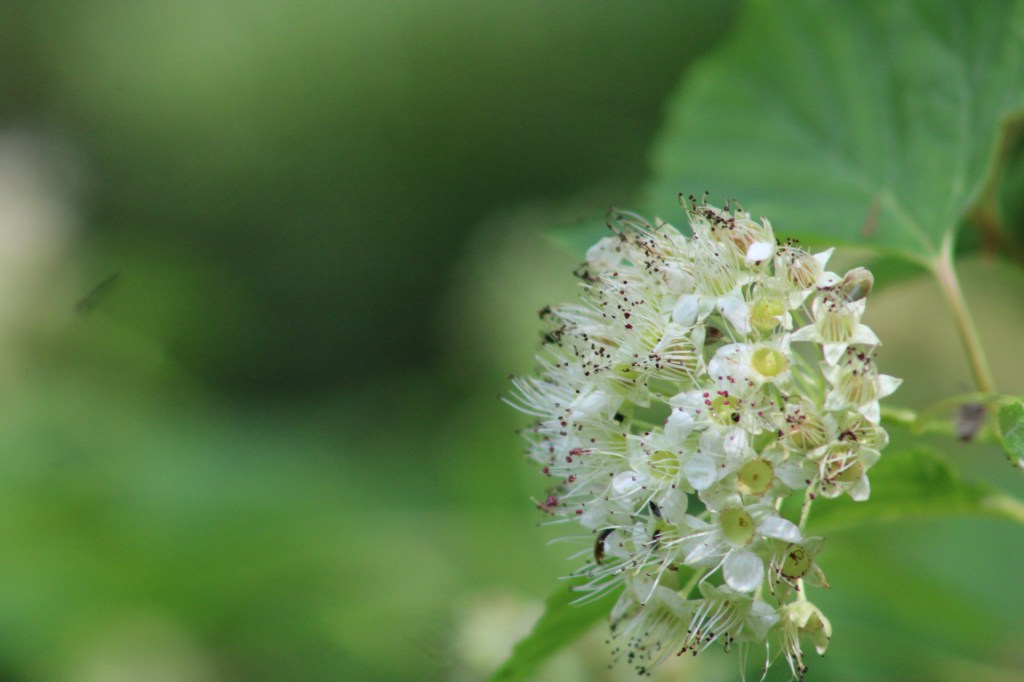
It was here where I saw several interesting plant species, including Cypripedium spp., Corallorhiza striata, and Physocarpus opulifolius. To read more on C. striata, read my U.P. Orchid post.

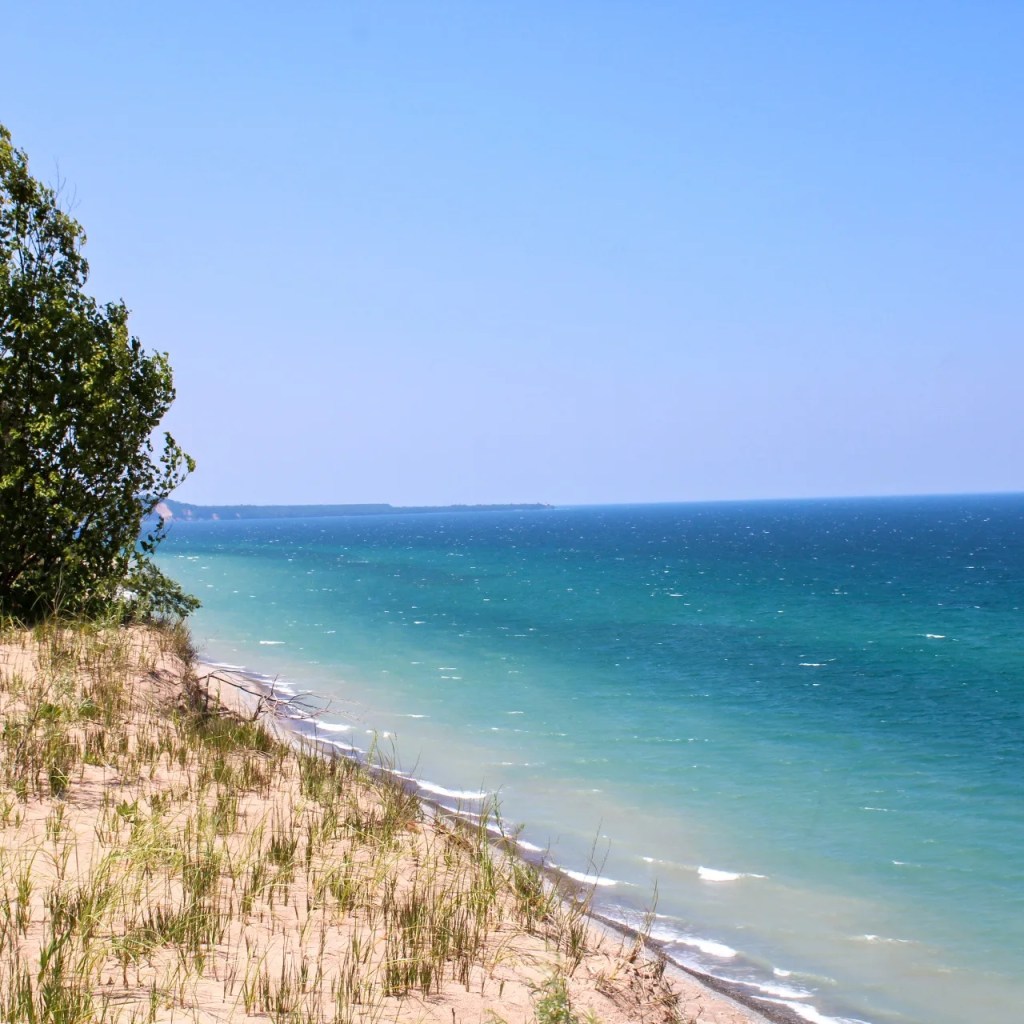
The trail ends with Sable Creek’s dark, tannin-laden waters flowing into the crystal-blue waters of Lake Michigan.

The coastal dunes are just to the left of here, and rise more than 300 ft. above the lake. The Grand Sable Dunes are an example of perched dunes: sand dunes resting atop a rocky outcropping left by glaciation.
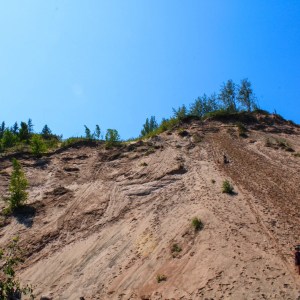

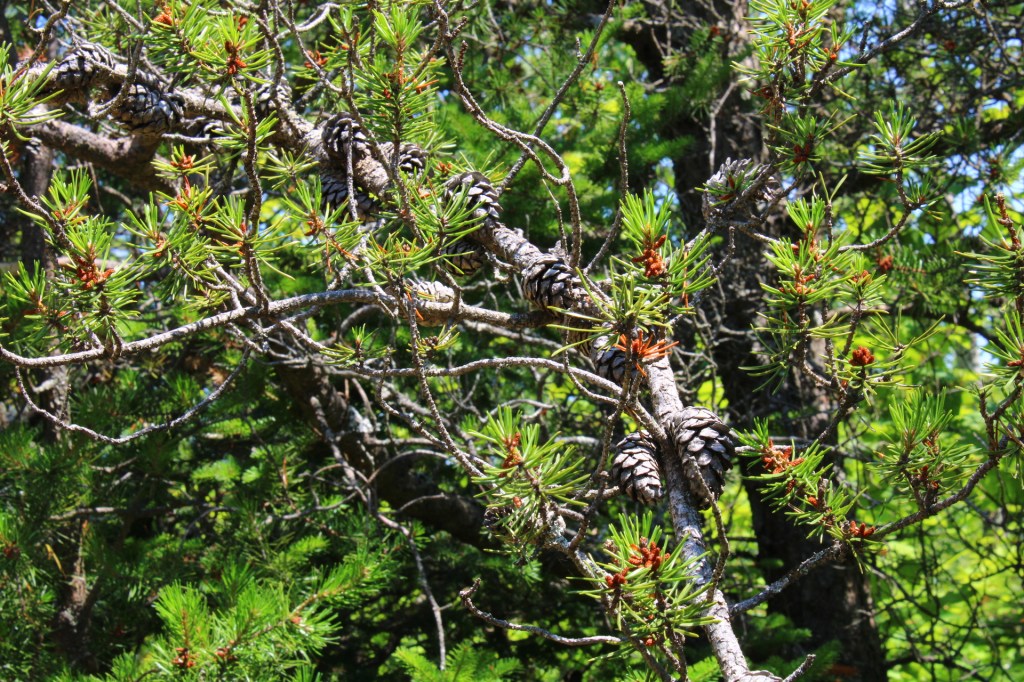
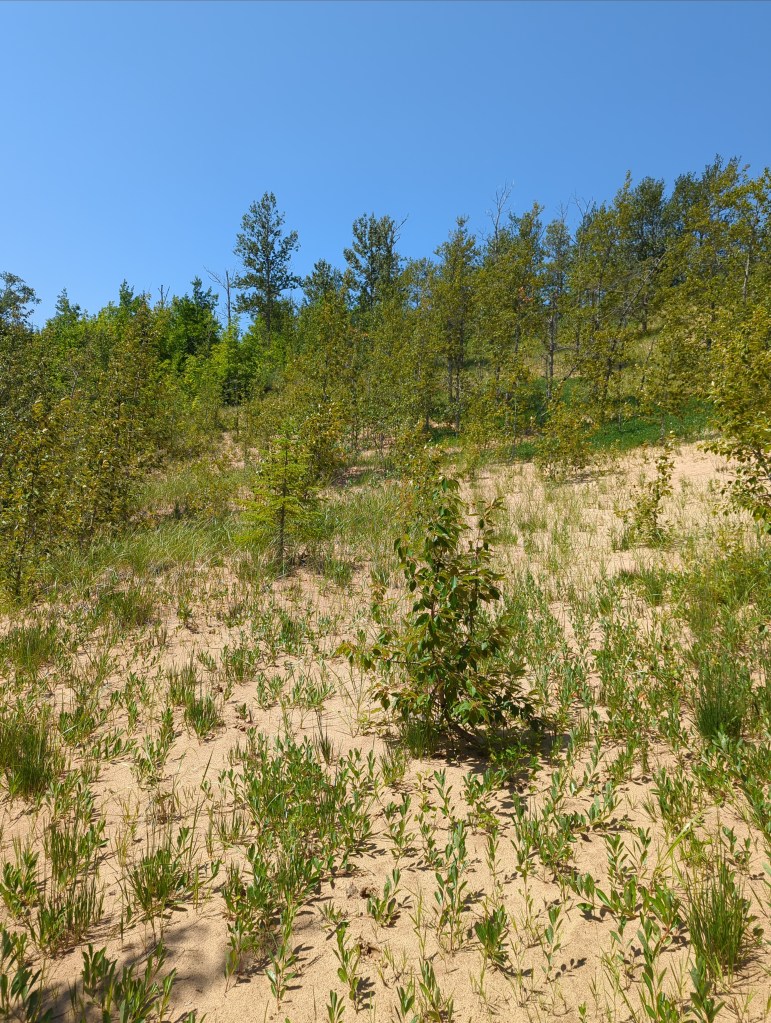
It’s tempting to think of these coastal dunes as being lifeless, but that couldn’t be further from the truth. Growing out of the shifting sands are plants well adapted to the harsh region. Communities of plants that are rare to the rest of the world, eke out a modest living here. It’s in these perched dunes where populations of Jack Pine (Pinus banksiana) form sparse, scraggly forests and provide shelter against the abrasive winds. P. banksiana is a successional species on the dunes- following the establishment of grasses & other herbaceous species, the fast-growing P. banksiana further stabilizes the dunes (Carey, 1993). Additionally, P. banksiana is fire-adapted. Their cones are essentially glued shut with resin and only open after either a good burn, or a long period of dry weather and high heat (Carey, 1993) (not that you’ll see too much of that in the Yoop). Prescribed fires in early summer can be utilized to regenerate stands of P. banksiana, and has resulted in almost 5,000 seedlings per acre after burning.


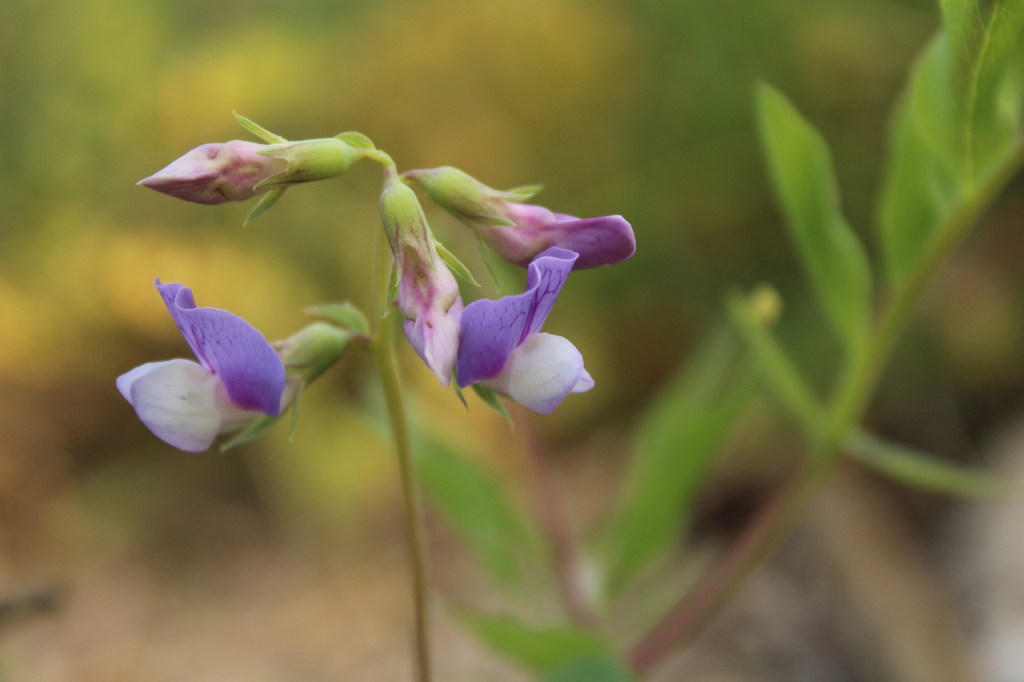
Jack Pines are not the only species clinging to life on these shifting dunes. Populations of Lathyrus japonicus, the Seaside Pea, and Tanacetum bipinnatum, the Dune Tansy, are found only where the dunes are. T. bipinnatum was found growing along the steep, windswept slopes facing Lake Michigan, and also amongst more established dunes on top. Whereas L. japonicus was only found growing in sites more established. Back at my home in Fairport Harbor, OH, I’ve seen this same Seaside-Pea-pattern play out at the last coastal dune in Ohio, the Headlands Dunes. The familiar purple & pink flowers caught my eyes from far away, as if I was seeing an old high school friend across the street after years apart.
The story of the Seaside Pea is fascinating. Someone who’s hearing about this plant for the first time from here would be forgiven to think its a Great Lakes’ plant, but that is not the case; “Seaside,” is a fitting epithet indeed. L. japonicus is a circumboreal plant- its range extends from west-coast to east-coast; Alaska down to Japan; Greenland to Finland; hell, even Argentina (INaturalist). It’s tempting to think that we had something to do with its spread, but for once our hubris is outmatched by the lowly Seaside Pea. The seeds of this pea can survive years in the salty brine, and they float along her waves- colonizing sandy banks all over the temperate northern-hemisphere (and Argentina).
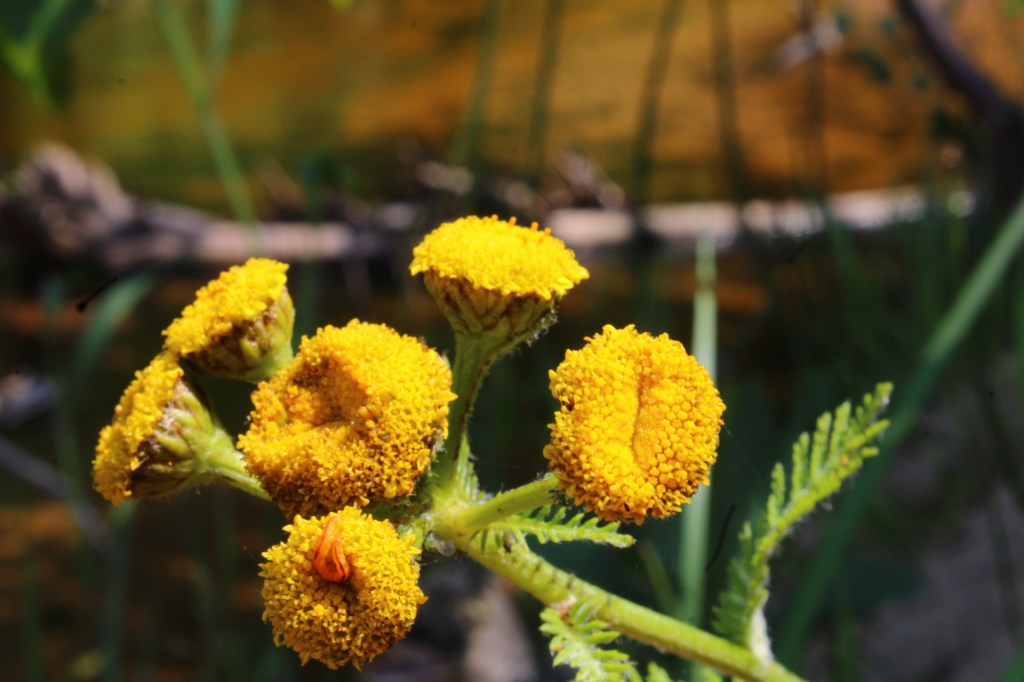


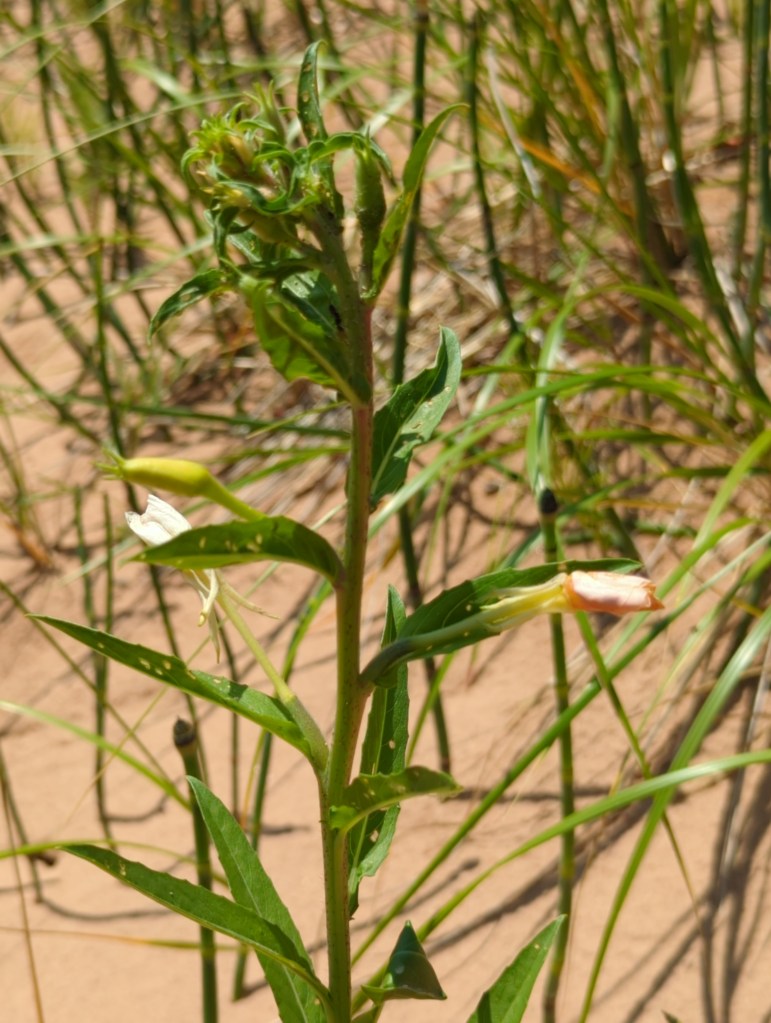
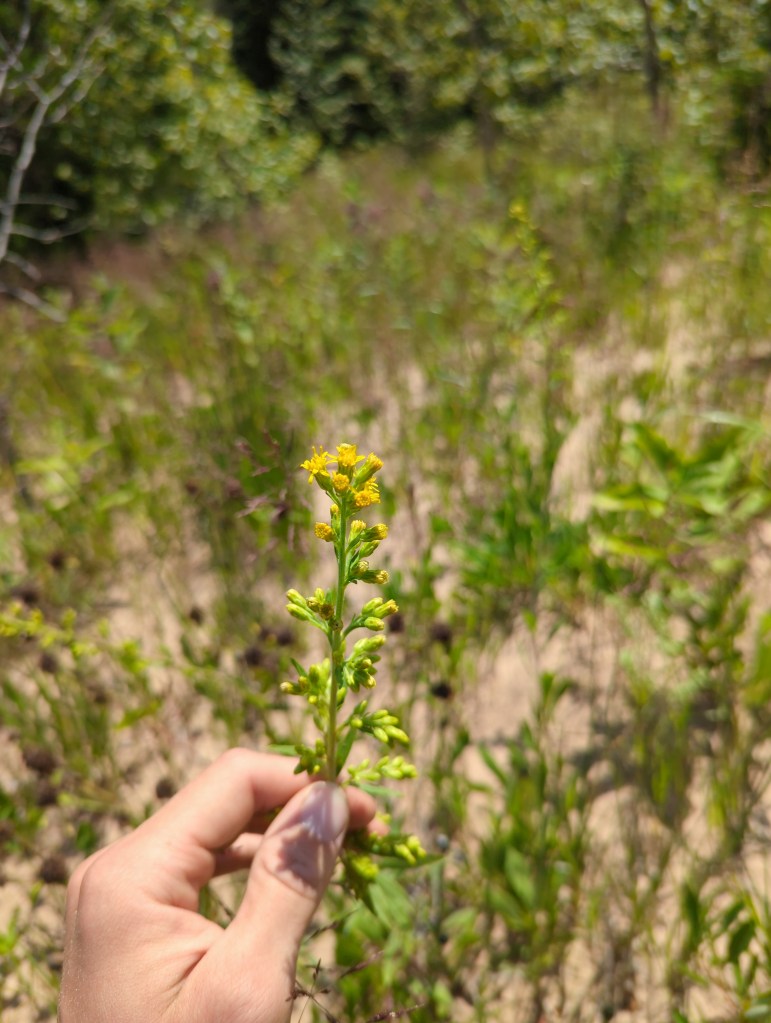
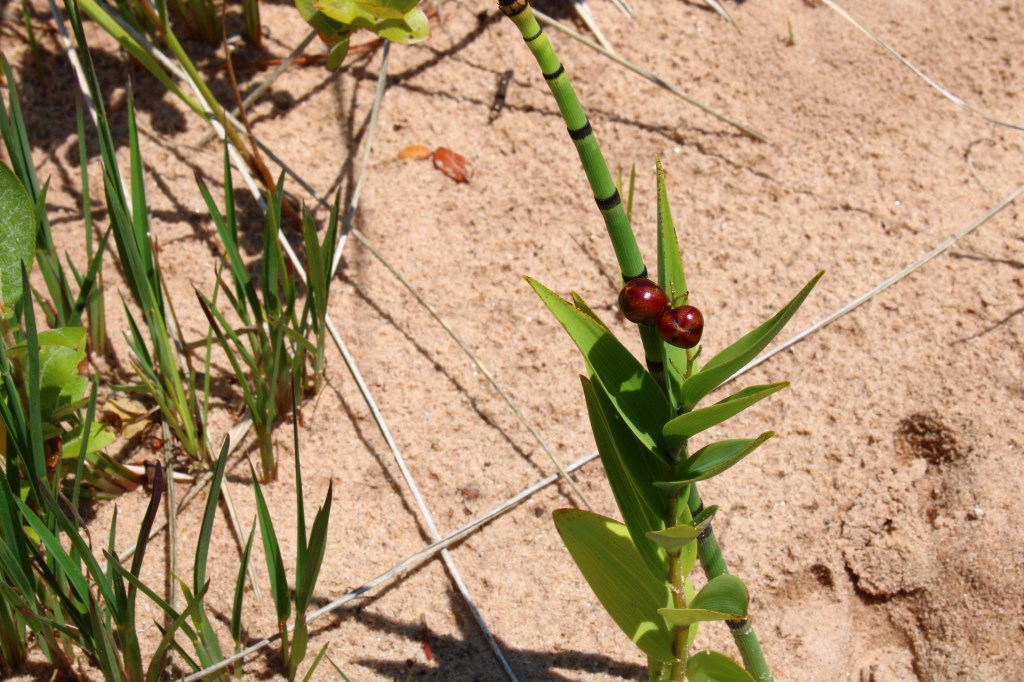
Of course there are other plants growing on these dunes, but that’s all I got for today’s writeup. So, just enjoy these photos, and hey, if one of them piques your interest, you might find something interesting researching it!


Citations
1. “How They Were Made: Wisconsin Sea Grant.” Wisconsin Sea Grant | University of Wisconsin, 8 Jan. 2021, https://www.seagrant.wisc.edu/resources/the-formation-of-the-great-lakes/how-they-were-made/.
2. Carey, Jennifer H. 1993. Pinus banksiana. In: Fire Effects Information System, [Online].
U.S. Department of Agriculture, Forest Service, Rocky Mountain Research Station,
Fire Sciences Laboratory (Producer). Available:
https://www.fs.fed.us/database/feis/plants/tree/pinban/all.html [2022, August 12].
3. “Seaside Pea (Lathyrus Japonicus).” INaturalist Canada, https://inaturalist.ca/taxa/77638-Lathyrus-japonicus.

 Watching Plant Sex in the Woods
Leave a reply to DAWN SCHROEDER Cancel reply