
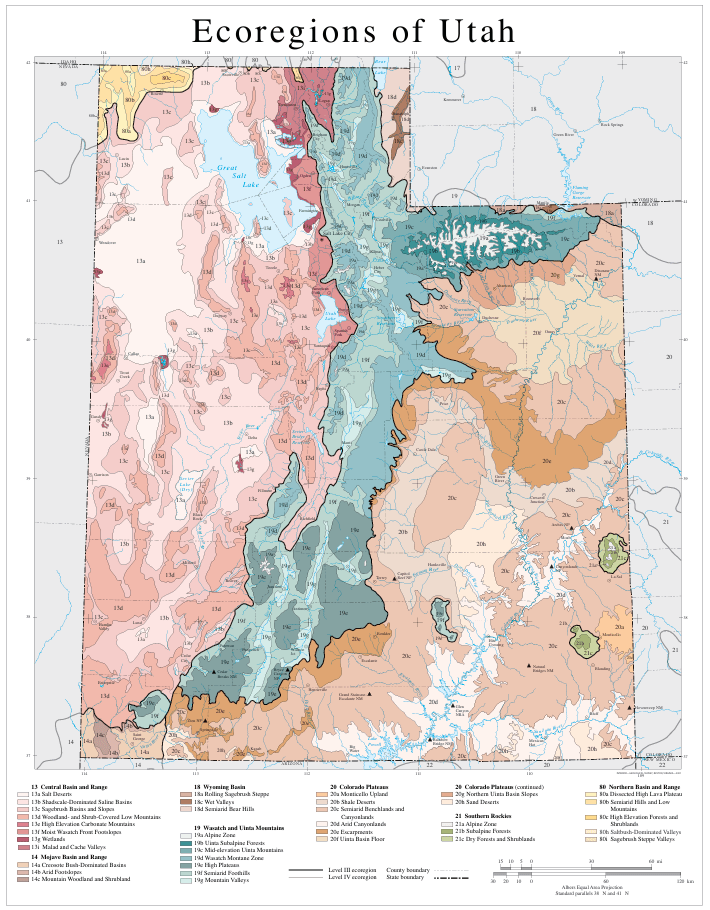
Utah is predominately composed of sedimentary rocks, although the central orogeny deposited igneous material into the state. The sedimentary minerals are up to 540 million years old, when an ocean plunged into the western portion of the state.
Since that time, the state has undergone several transformations, from partially marine, to wind-whipped plains, to swampy lowlands, and now high deserts and mountains.
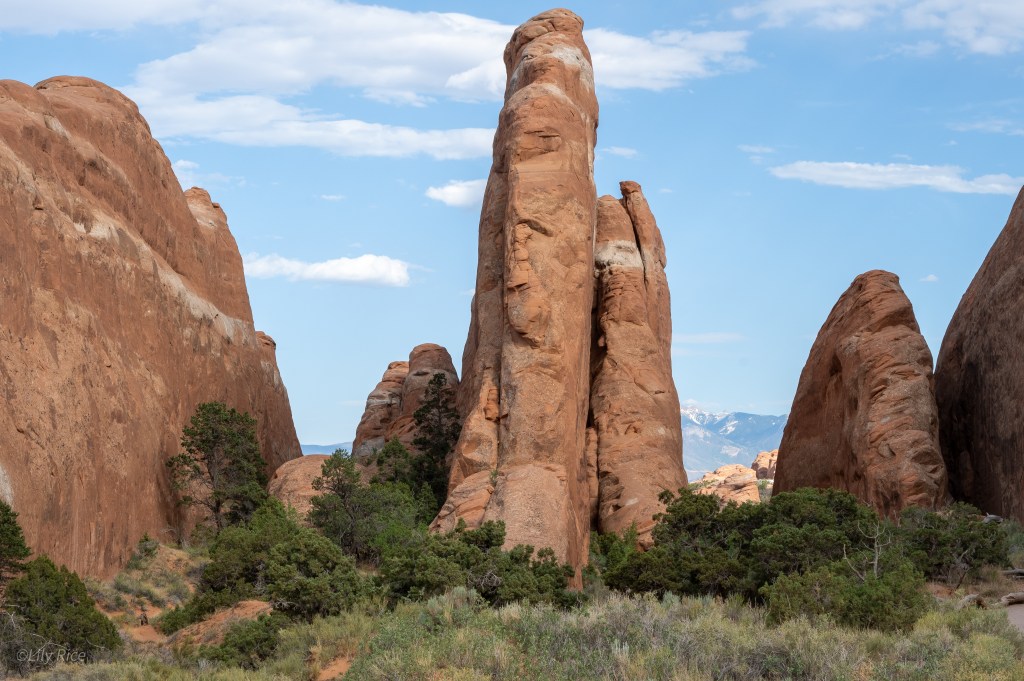
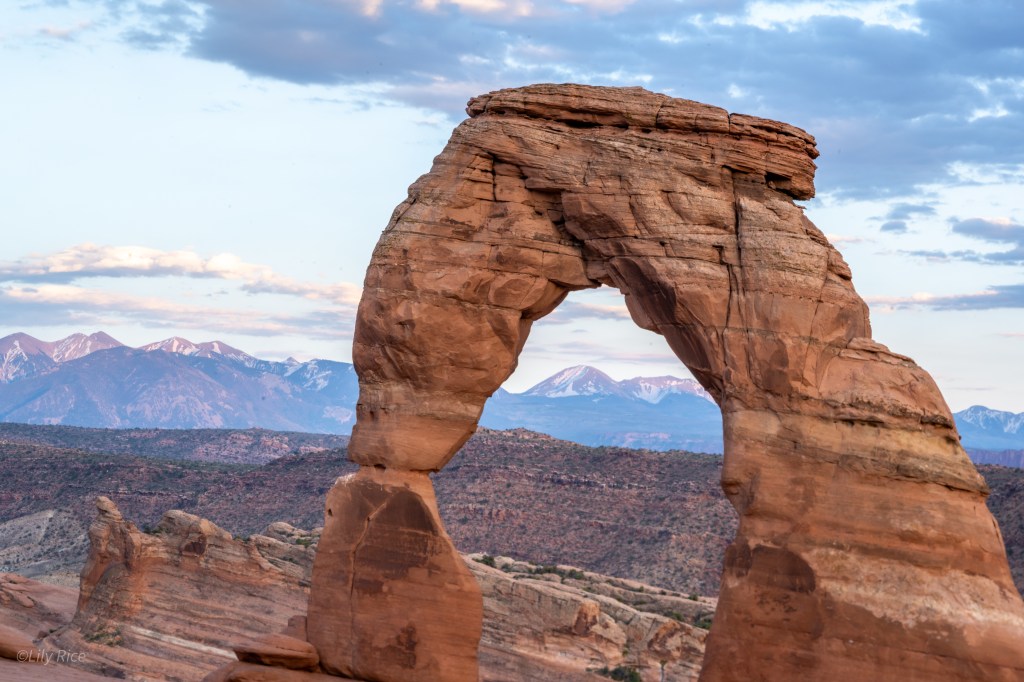
Precipitation and seasonality shapes the famous landscapes in Utah. Depending on where you are in the state, precipitation averages can be between 5-40 inches, with an average of 32 inches annually. The grandiose arches in Arches National Park are thanks to the low amounts of local precipitation and seasonal freezing.
Arches National Park
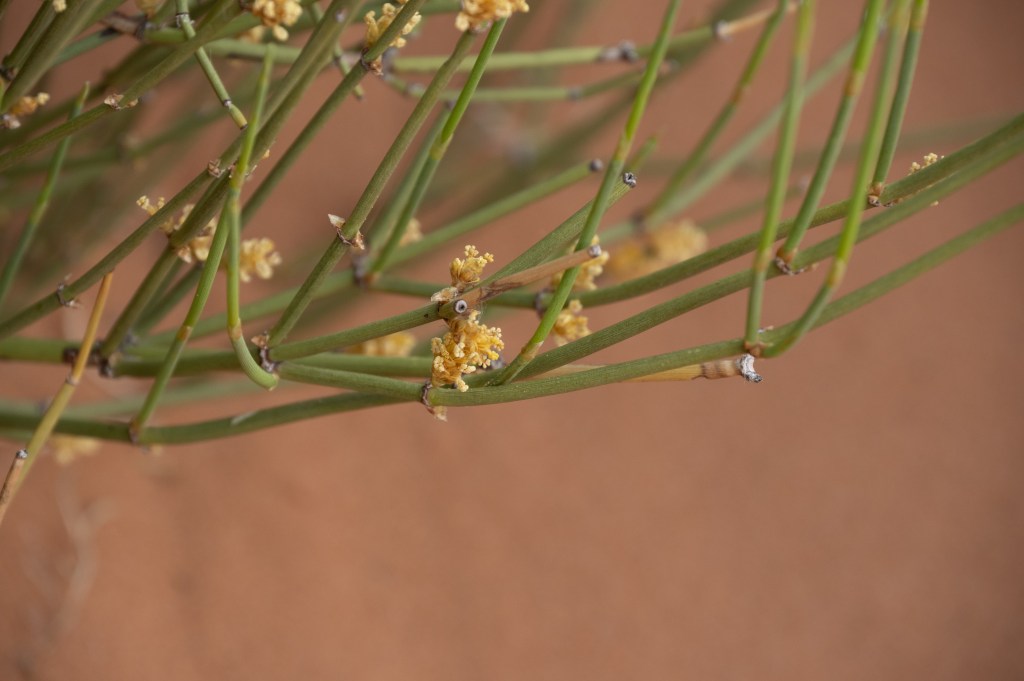
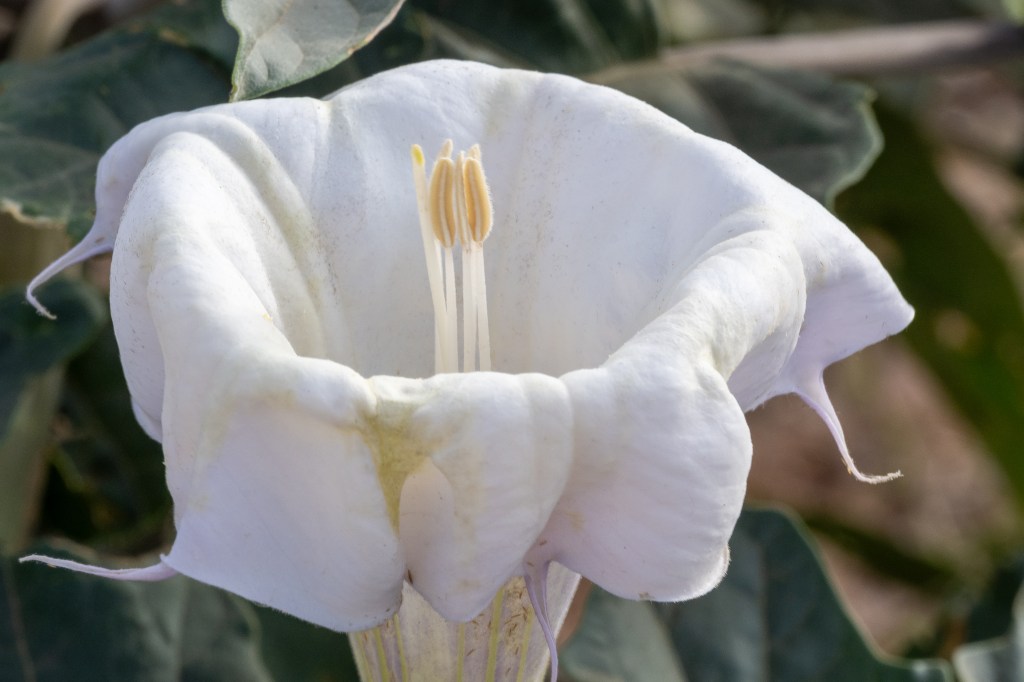
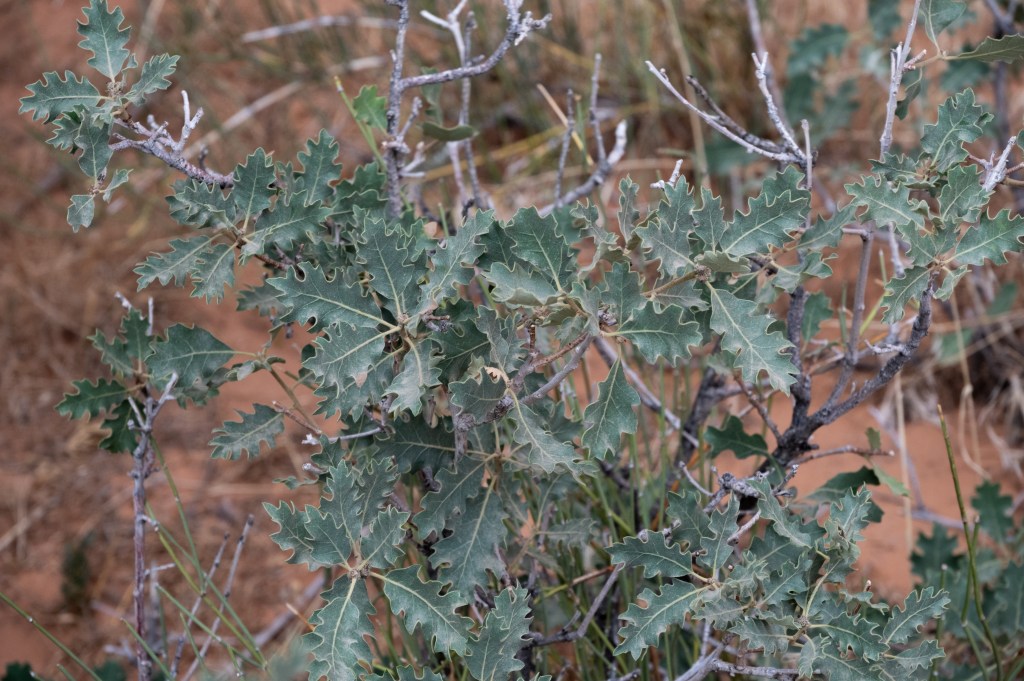
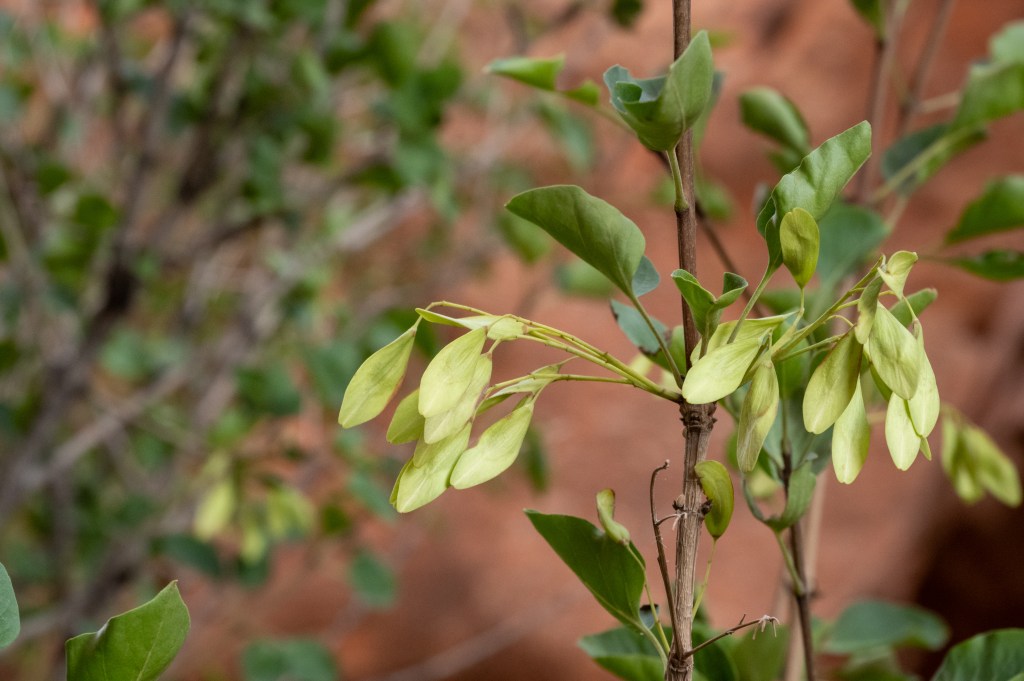
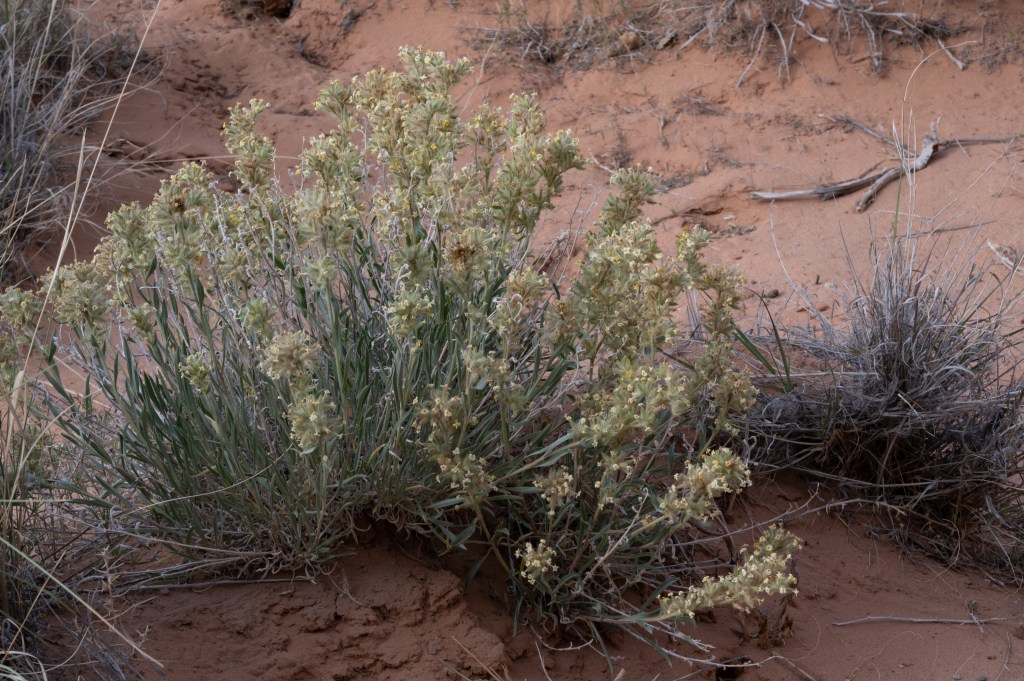
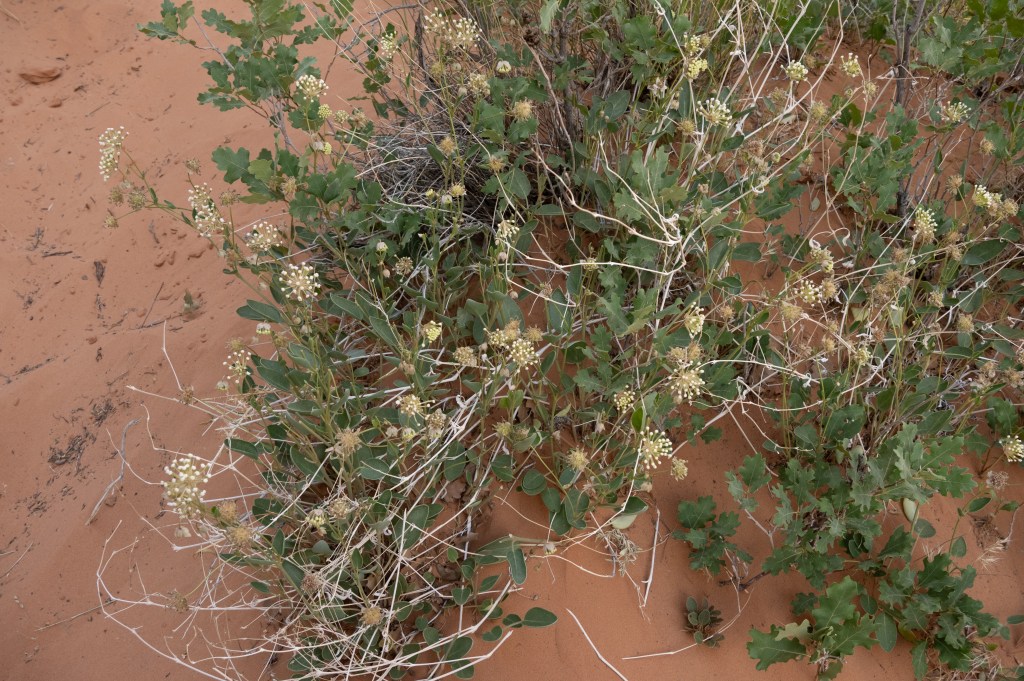
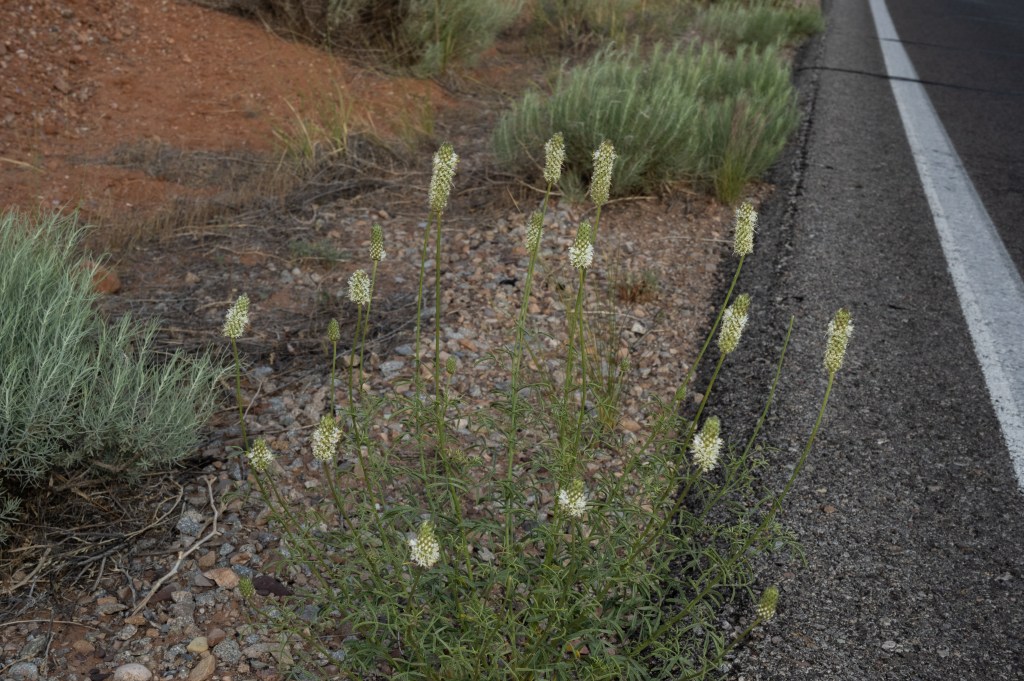
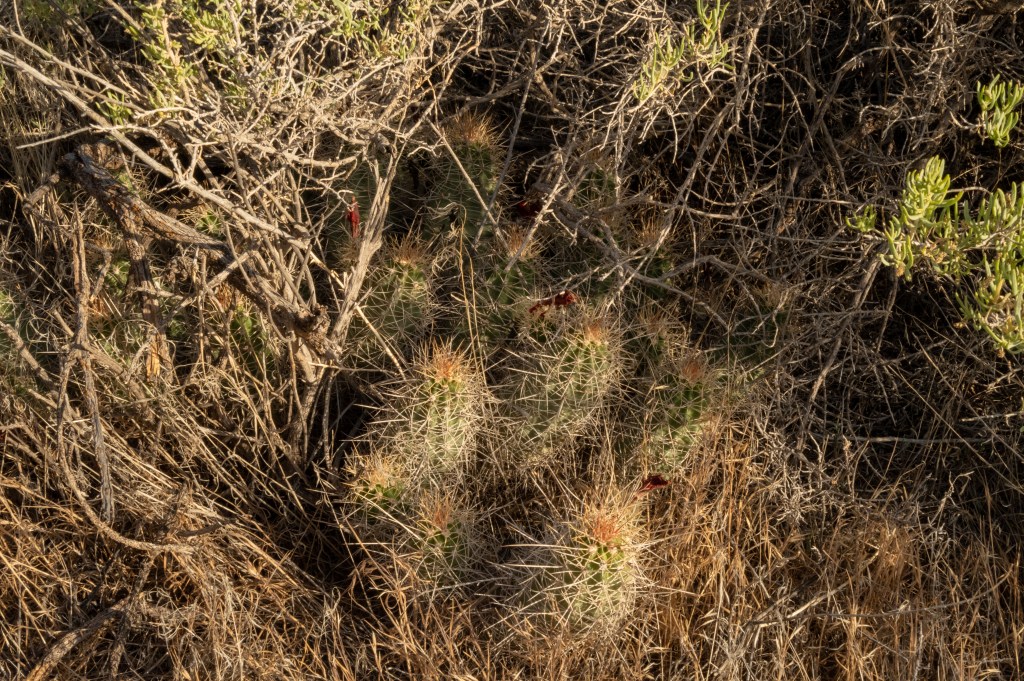
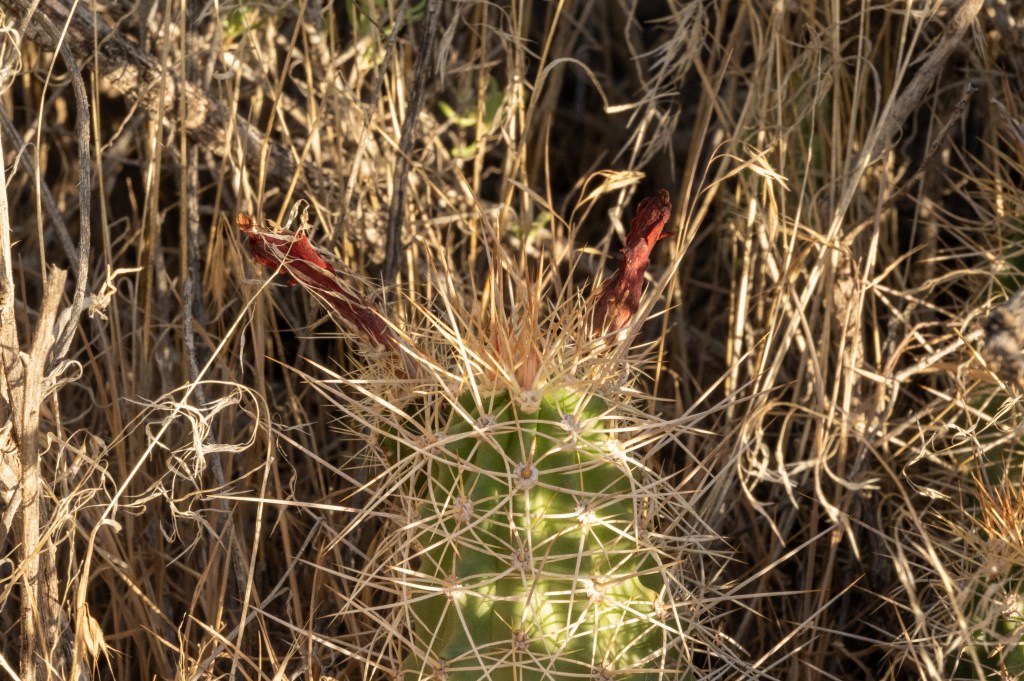
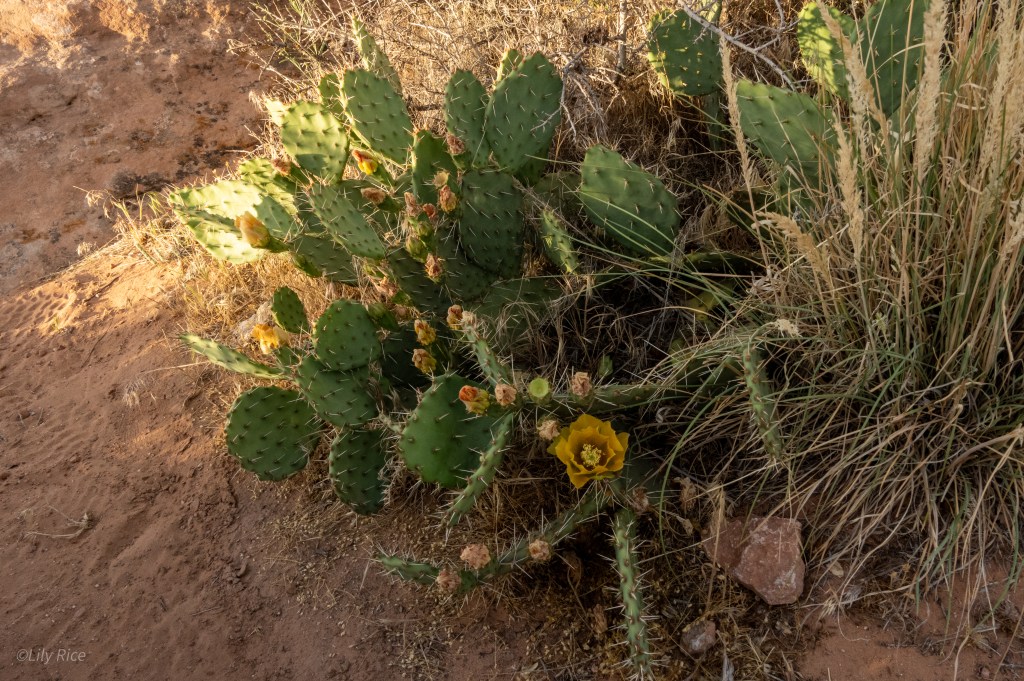
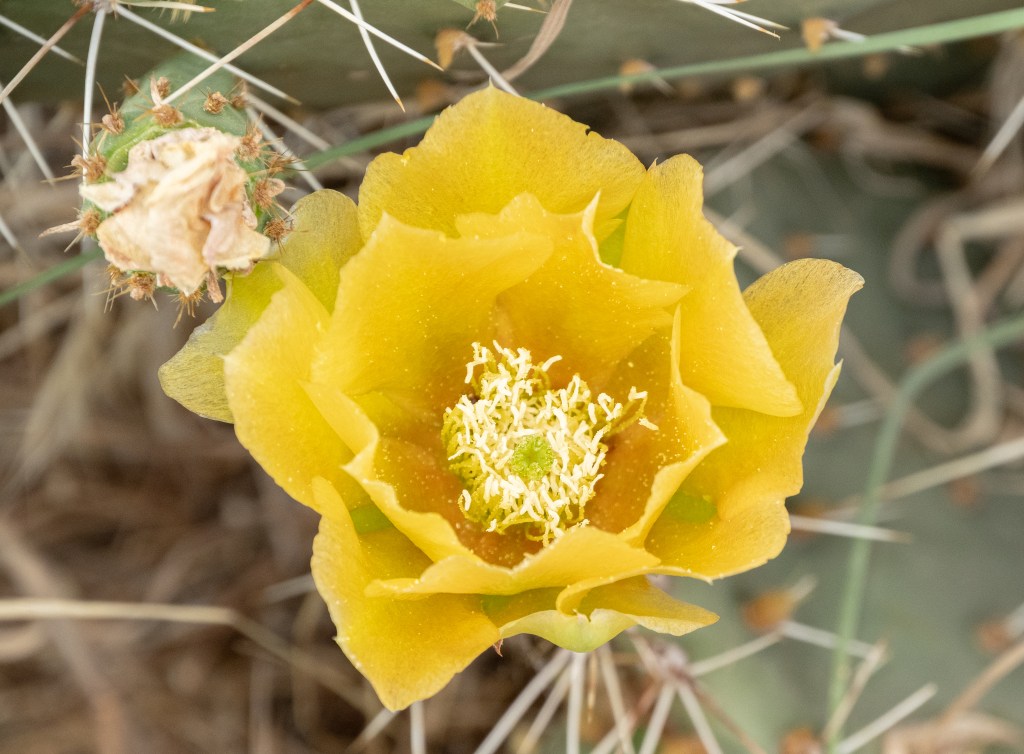
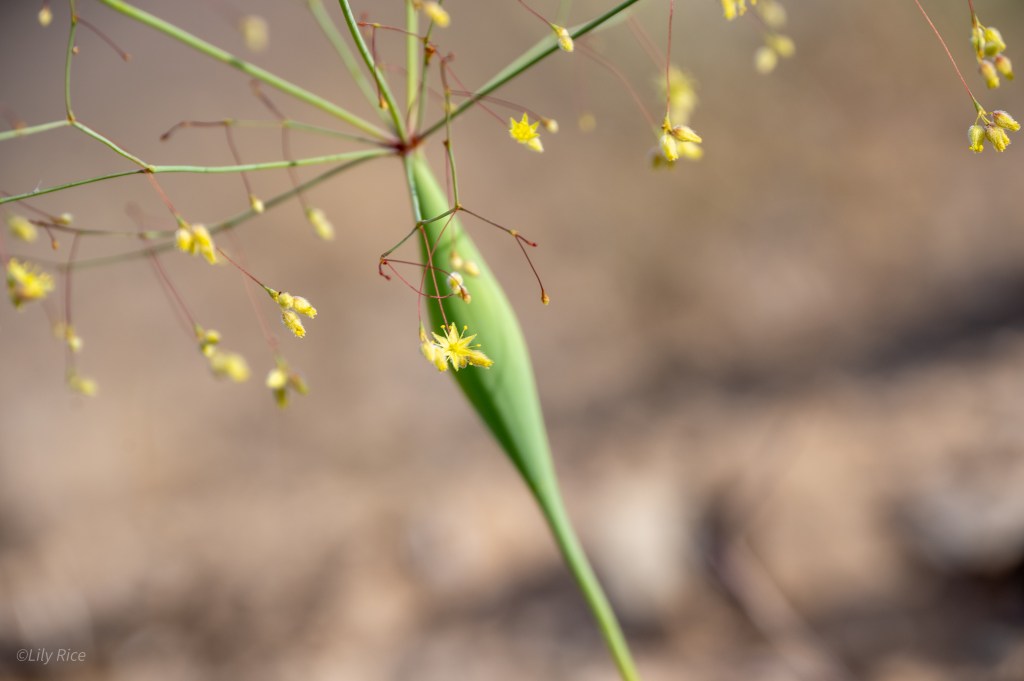
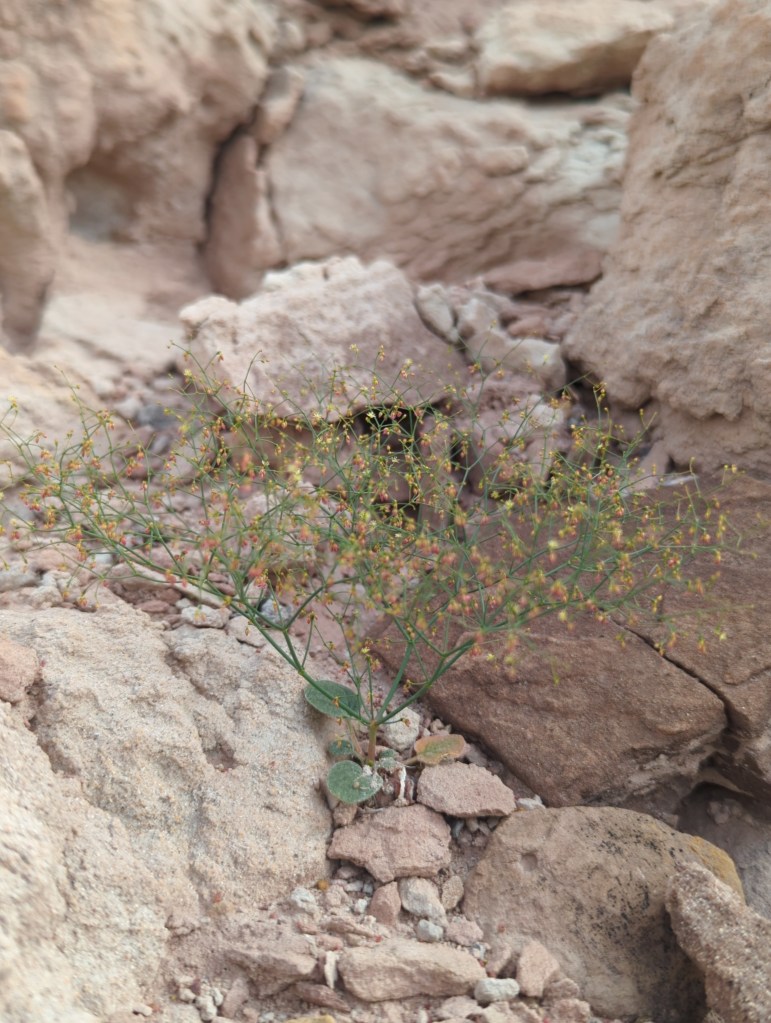
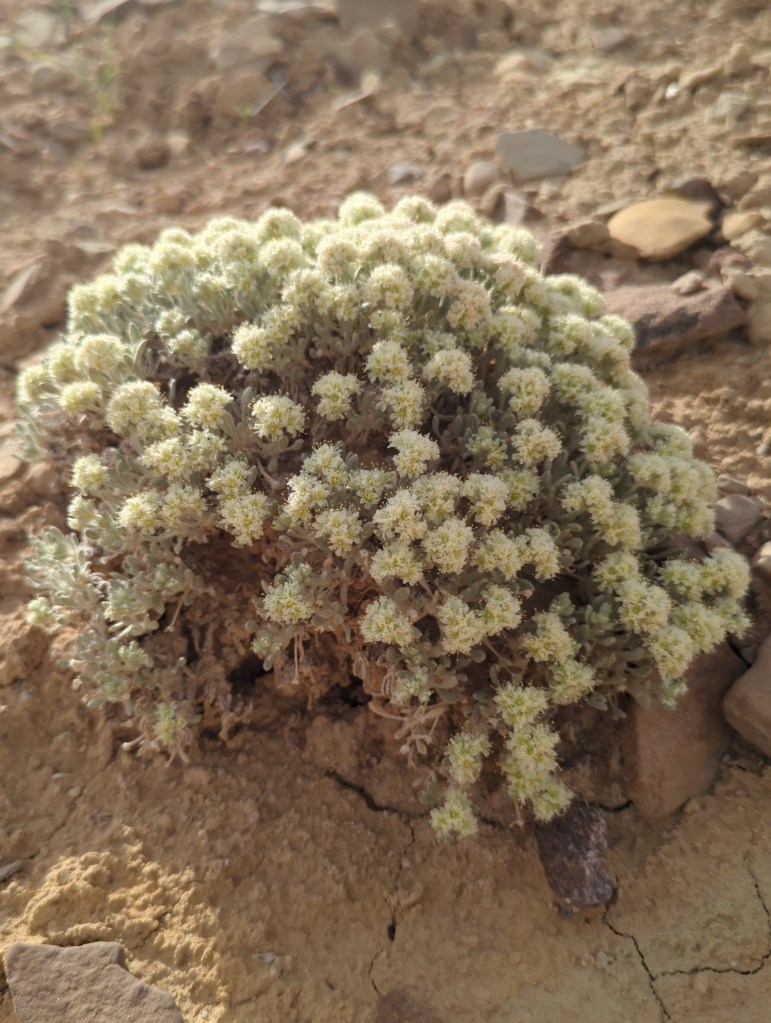
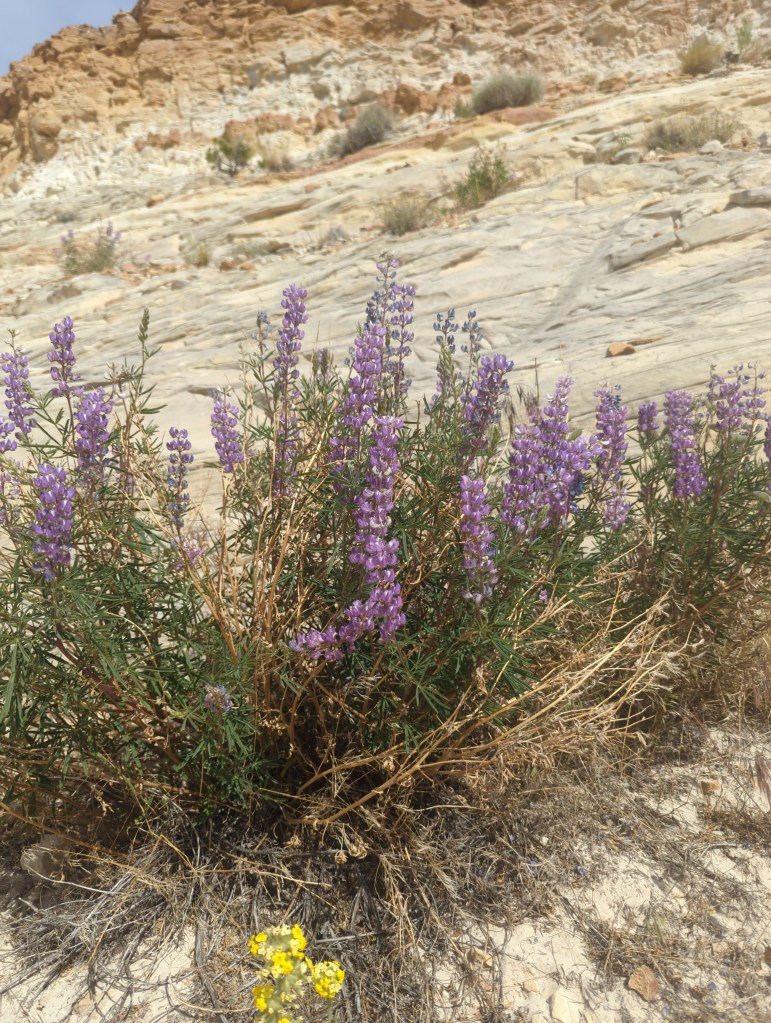
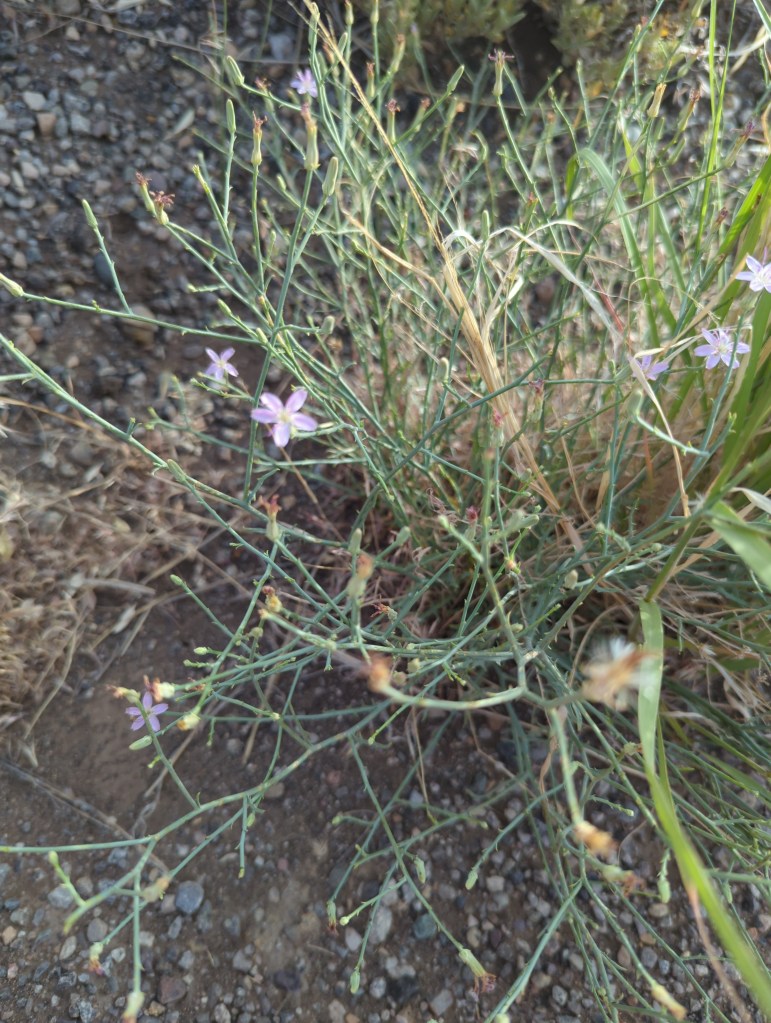
The region of ANP is composed primarily of Entrada Sandstone and the Carmel Formation, a conglomeration of various sedimentary rocks, with sandstone being the major member. Without the Moab fault, these c. 204-1 mya sea beds would still be buried underneath deep layers of soil. The fault raised up this region by 3,150 feet and allowed the erosional processes unique to the Utahan desert to slowly shape the iconic scenery. The species that inhabit this desert are highly adapted to low rainfall and high heat, in addition the soil is mostly sand (almost entirely in some areas around the eroded arches). There are many fascinating species here, such as the Gnetophyte, Ephedra torreyana, and two desert adapted sub-trees, Quercus welshii and Fraxinus anomola.







San Rafael Reef
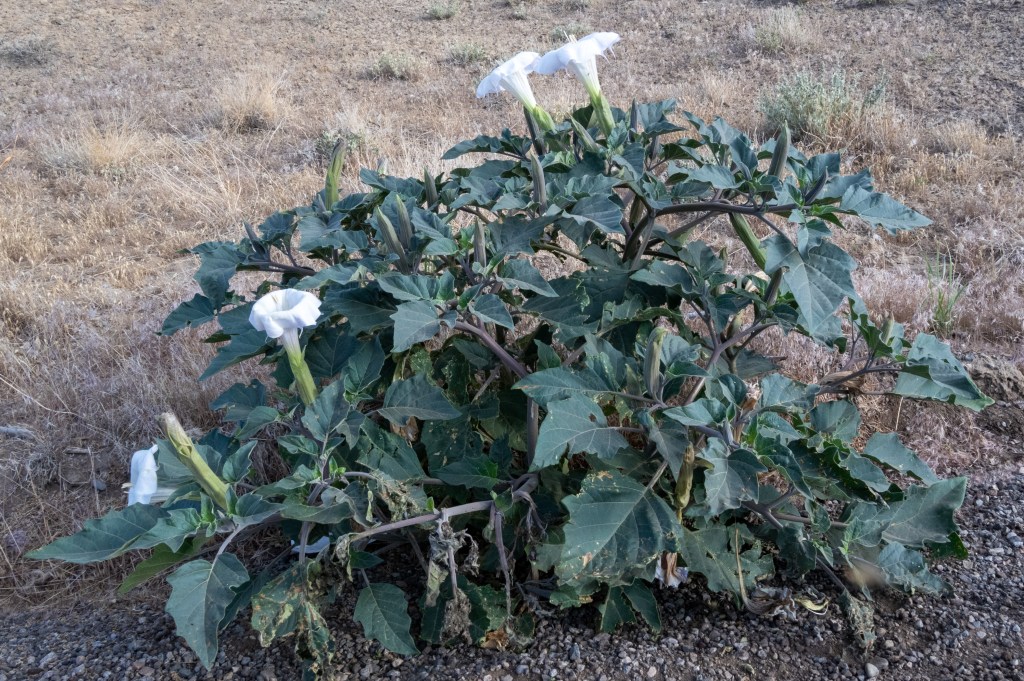
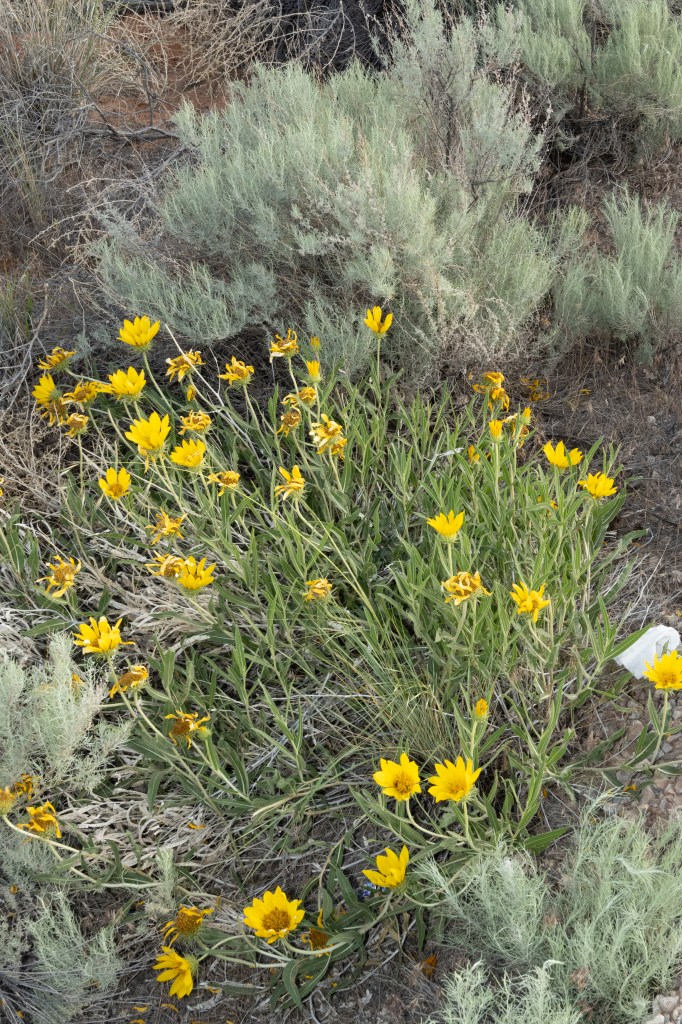
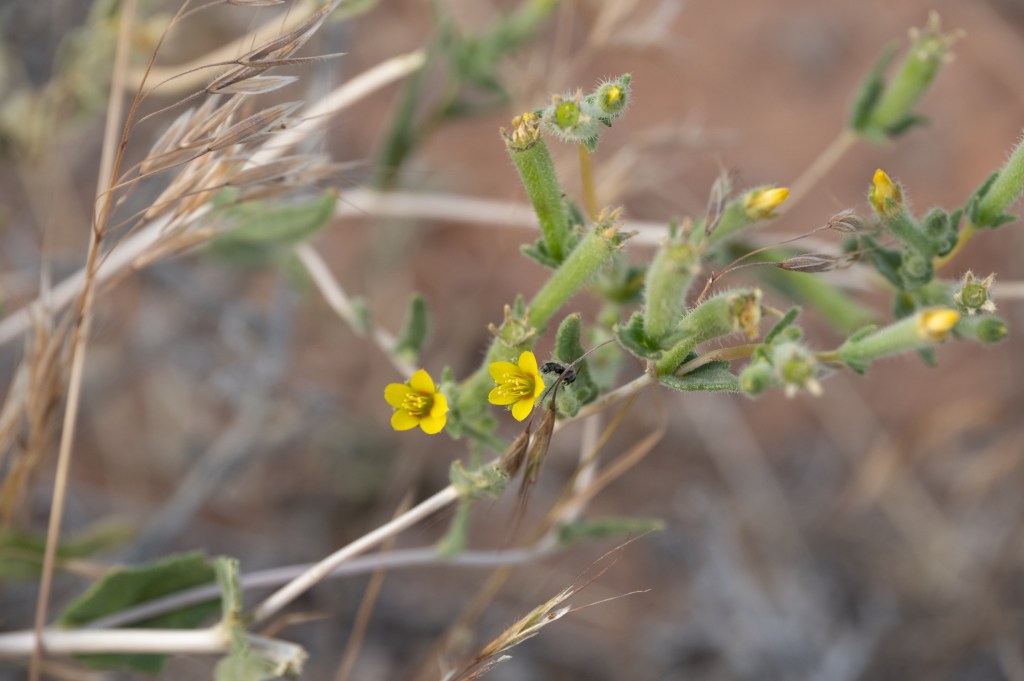
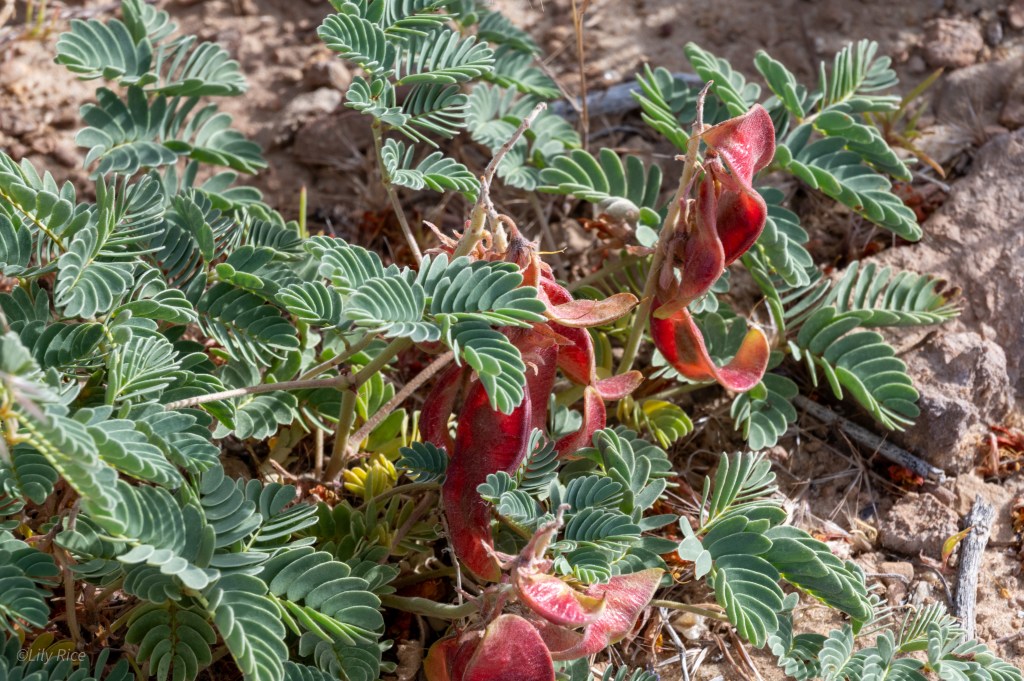
It is easy to assume from the name that this region is a fossilized reef, possibly from a Jurassic ocean, but the reef title actually refers to the preponderance of Uranium that was found throughout the sandstone here. Formerly a Uranium mine, and now a tourist attraction, San Rafael Reef contains several rare species, including a member on the IUCN red list, Hoffmannseggia repens.


 Watching Plant Sex in the Woods